
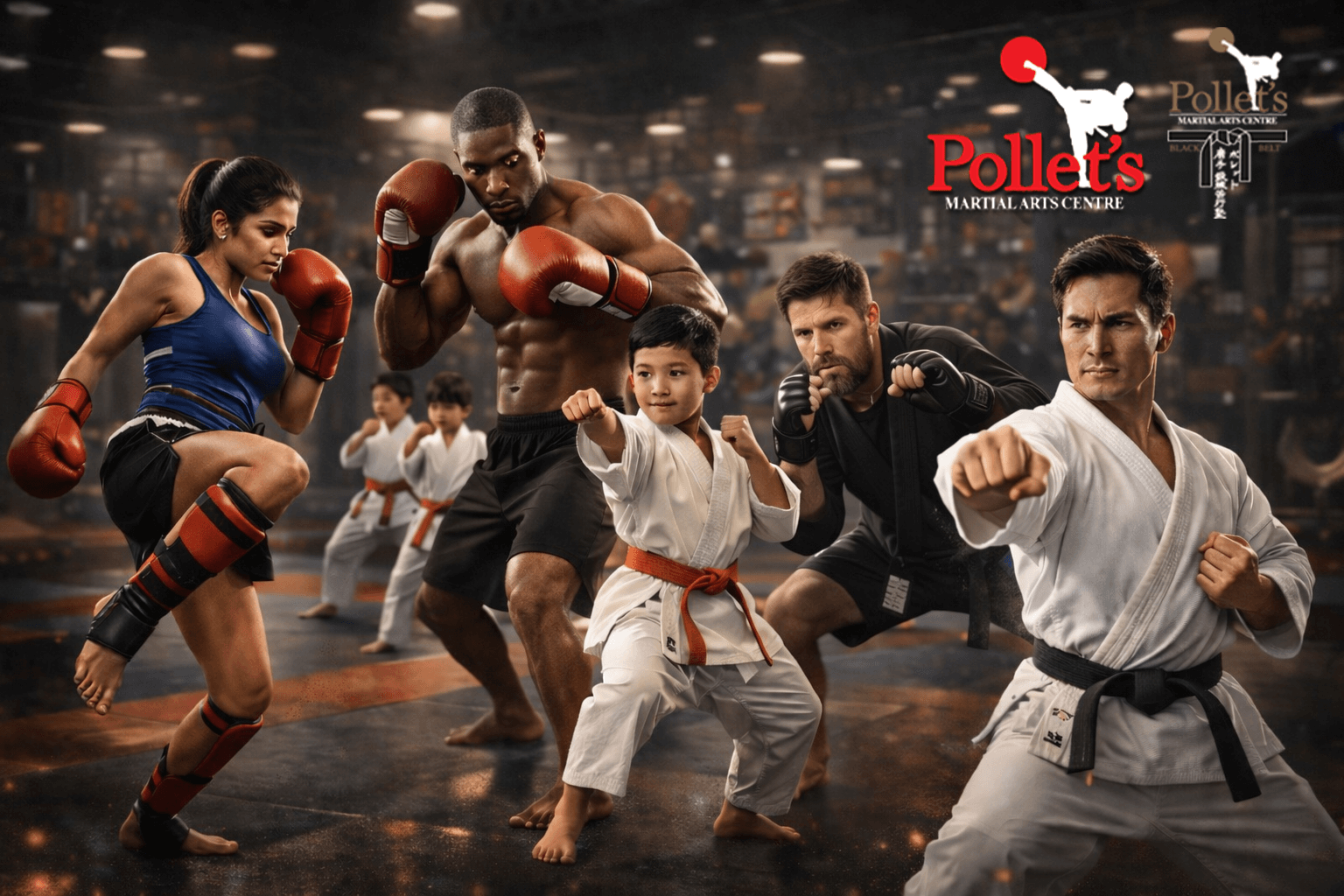
Top 10 Best Martial Arts for Fitness, Self-Defense, and Fun
Discover the top 10 best martial arts that blend fitness, self-defense, and fun, transforming your workout into an exhilarating self-improvement journey!
Benefits of Practicing Martial Arts
Engaging in martial arts offers a myriad of benefits that extend beyond the physical realm. One of the most significant advantages is improved fitness. Martial arts training involves rigorous physical activity, which helps enhance cardiovascular health, build muscle strength, and improve flexibility. Additionally, consistent practice can lead to better posture and coordination, contributing to overall physical well-being.
Mental health also reaps substantial rewards from martial arts. The discipline required in practice fosters a sense of focus and mental clarity. Many martial arts incorporate meditation or mindfulness techniques, which can help reduce stress and improve emotional stability. This mental training can boost confidence and self-esteem, equipping practitioners with a resilient mindset.
Social benefits are another key aspect of martial arts. Training often takes place in a group setting, encouraging camaraderie and teamwork. This environment can foster new friendships and provide a sense of community. Furthermore, the respect and humility ingrained in martial arts culture promote positive social interactions and personal growth.
Overview of Fitness in Martial Arts
Martial arts are a fantastic way to enhance physical fitness, encompassing a wide range of exercises that target different aspects of the body. Cardiovascular workouts are a staple in martial arts training, often involving high-intensity drills that boost heart health and endurance. This kind of training not only burns calories but also improves stamina, making everyday activities easier.
Strength training is another core component of martial arts. Techniques such as striking, grappling, and throwing require significant muscle power, which helps in building and toning muscles. Martial arts also incorporate bodyweight exercises, such as push-ups and squats, which contribute to overall muscle development without the need for gym equipment.
Flexibility and agility are also enhanced through martial arts practice. Many styles involve intricate movements and stretches that increase flexibility. This not only helps in executing techniques more effectively but also reduces the risk of injuries. The dynamic movements involved in martial arts training improve agility and coordination, which are beneficial in both combat and daily life.
Self-Defense Techniques in Martial Arts
Martial arts are renowned for their effective self-defense techniques, equipping practitioners with skills to protect themselves in various situations. These techniques are designed to neutralize threats and ensure personal safety. One of the fundamental principles in martial arts self-defense is the use of an opponent’s energy against them, which allows even smaller individuals to defend against larger aggressors.
Striking techniques, such as punches, kicks, and elbows, are common in many martial arts styles. These strikes are taught with precision and power, enabling practitioners to incapacitate an attacker quickly. Additionally, martial arts training emphasizes targeting vulnerable areas of the body, such as the eyes, throat, and groin, to maximize the effectiveness of self-defense maneuvers.
Grappling and submission techniques are also integral to self-defense in martial arts. Styles like Brazilian Jiu-Jitsu and Judo focus on controlling an opponent through holds, locks, and chokes. These techniques are particularly useful in close combat situations, allowing practitioners to subdue an attacker without relying solely on brute strength. Moreover, martial arts teach situational awareness and de-escalation strategies, which are crucial for avoiding physical confrontations altogether.
Fun and Engaging Aspects of Martial Arts
One of the most appealing aspects of martial arts is the element of fun and engagement it brings to physical activity. Unlike conventional workouts, martial arts offer a dynamic and varied routine that keeps practitioners motivated and excited. The structured progression through different techniques and forms provides a sense of accomplishment and continuous learning.
Many martial arts incorporate partner drills and sparring, which add a social and interactive dimension to training. This interaction not only makes the practice more enjoyable but also helps in building strong bonds with fellow practitioners. The competitive aspect of sparring and tournaments can be thrilling, offering an adrenaline rush and a chance to test one’s skills in a controlled environment.
The cultural and historical background of martial arts also adds to their charm. Learning about the traditions, philosophies, and rituals of different martial arts styles can be fascinating. This cultural immersion enriches the training experience and provides a deeper appreciation for the art form. Additionally, martial arts often include demonstrations and performances, which are not only entertaining but also showcase the beauty and artistry of the discipline.
10 Must-Try Martial Arts for Fitness
Fitness and Conditioning
- Muay Thai: Known as the “Art of Eight Limbs,” Muay Thai is a high-intensity martial art that uses punches, kicks, elbows, and knees. The rigorous training sessions include pad work, bag work, and sparring, providing an excellent full-body workout that enhances cardiovascular health, strength, and endurance.
- Kickboxing: Combining elements of traditional boxing and karate, kickboxing is a fantastic fitness-oriented martial art. The constant movement and varied striking techniques help in burning calories, building muscle, and improving agility. Classes often include cardio drills, shadowboxing, and partner exercises.
- Brazilian Jiu-Jitsu (BJJ): BJJ focuses on ground fighting and submission grappling, making it a great workout for building core strength and flexibility. The practice involves rolling (sparring), which is both physically demanding and mentally stimulating. It’s an excellent way to improve muscle tone and endurance.
- Taekwondo: This Korean martial art emphasizes high, fast kicks and dynamic footwork. The training is intense, involving a lot of jumping and spinning kicks that enhance cardiovascular fitness, leg strength, and flexibility. The structured progression through belt ranks also keeps practitioners motivated.
- Boxing: Classic boxing offers an incredible cardiovascular workout. The constant movement, combined with punching drills and footwork, helps improve stamina, coordination, and upper body strength. Boxing training typically includes a mix of bag work, mitt work, and sparring.
- Capoeira: A Brazilian martial art that combines elements of dance, acrobatics, and music, Capoeira is both fun and physically demanding. The fluid movements and complex sequences improve flexibility, strength, and cardiovascular fitness. The musical aspect adds an engaging and rhythmic element to the practice.
- Kung Fu: This traditional Chinese martial art encompasses a wide range of styles, many of which focus on flexibility, balance, and strength. Kung Fu training often includes forms (kata), weapons practice, and sparring, providing a comprehensive workout that enhances overall fitness.
- MMA (Mixed Martial Arts): MMA combines techniques from various martial arts, including Muay Thai, BJJ, boxing, and wrestling. The training is highly versatile, offering a full-body workout that improves strength, endurance, and agility. MMA classes typically involve conditioning drills, pad work, and live sparring.
- Karate: Known for its powerful strikes and disciplined approach, Karate training improves strength, speed, and cardiovascular health. The practice includes kihon (basics), kata (forms), and kumite (sparring), each contributing to overall fitness and coordination.
- Judo: A Japanese martial art focused on throws and ground control, Judo offers a physically demanding workout. The practice of throwing techniques (nage-waza) and ground grappling (ne-waza) builds strength, balance, and endurance. Judo training also emphasizes flexibility and mental discipline.
Top Styles for Self-Defense
Proven Martial Arts Styles for Personal Protection and Self-Defense
- Krav Maga: Developed by the Israeli military, Krav Maga is renowned for its practical and effective self-defense techniques. It focuses on neutralizing threats quickly and efficiently, using strikes, grappling, and disarmament techniques. Krav Maga training emphasizes real-world scenarios and situational awareness.
- Brazilian Jiu-Jitsu (BJJ): BJJ is highly effective for self-defense, particularly in close combat situations. Its focus on ground fighting and submissions allows practitioners to control and neutralize opponents without relying on strength. Techniques such as joint locks and chokes are invaluable in self-defense.
- Muay Thai: The striking techniques in Muay Thai, including punches, kicks, elbows, and knees, are powerful tools for self-defense. The art also teaches clinch work, which is useful for controlling an attacker in close quarters. Muay Thai’s emphasis on conditioning ensures practitioners can deliver effective strikes.
- Boxing: With its focus on striking and footwork, boxing is an excellent martial art for self-defense. Practitioners learn to throw powerful punches while maintaining mobility and defensive awareness. Boxing training also teaches head movement and blocking techniques to evade attacks.
- Judo: Judo’s emphasis on throws and ground control is highly effective for self-defense. Techniques such as hip throws and sweeps can quickly incapacitate an attacker. Judo also teaches submission holds, which are useful for controlling an opponent without causing permanent harm.
- Wing Chun: This Chinese martial art is designed for close-range combat, making it highly effective for self-defense. Wing Chun emphasizes quick, direct movements and simultaneous attack and defense. Techniques such as trapping and chi sao (sticky hands) are key components of its self-defense strategy.
- Aikido: Aikido focuses on using an opponent’s energy against them, which is ideal for self-defense. The art involves joint locks, throws, and pins that can neutralize an attacker without causing severe injury. Aikido also teaches principles of balance and redirection, making it effective against larger opponents.
- Karate: Traditional Karate includes a wide range of striking and blocking techniques that are effective for self-defense. The practice of kata and kumite helps practitioners develop quick reflexes and precise strikes. Karate also teaches situational awareness and the importance of avoiding conflict.
- Sambo: This Russian martial art combines striking and grappling techniques, making it versatile for self-defense. Sambo training includes throws, joint locks, and ground control, all of which are useful in real-world altercations. The combat sport version, Combat Sambo, also incorporates striking.
- Filipino Martial Arts (FMA): FMA, including styles such as Eskrima and Arnis, is highly effective for self-defense, particularly in weapon-based encounters. Practitioners learn to use sticks, knives, and empty-hand techniques to defend against attackers. FMA training emphasizes quick, fluid movements and adaptability.
10 Top-Ranked Martial Arts for Fun
The Most Enjoyable Martial Arts to Train and Stay Motivated
- Capoeira: Combining martial arts, dance, and music, Capoeira is an incredibly fun and engaging practice. The fluid movements, acrobatics, and rhythmic game (roda) make training sessions enjoyable and vibrant. The cultural and musical elements add a unique and entertaining dimension to the art.
- Taekwondo: With its dynamic kicks and fast-paced drills, Taekwondo is an exciting martial art to practice. The combination of high-flying techniques and structured forms keeps training sessions lively. Sparring and competitions add a thrilling competitive element that many practitioners find exhilarating.
- Kung Fu: The diverse range of styles and techniques in Kung Fu provides endless variety and excitement. The practice of forms, weapons training, and sparring keeps practitioners engaged. The rich cultural heritage and philosophical teachings of Kung Fu add a fascinating depth to the experience.
- Kickboxing: The fast-paced nature of kickboxing, combined with the constant movement and varied techniques, makes it a fun and energetic martial art. The mix of striking drills, partner exercises, and cardio workouts ensures that training sessions are always dynamic and engaging.
- Brazilian Jiu-Jitsu (BJJ): The strategic and technical nature of BJJ makes it an intellectually stimulating and enjoyable martial art. Rolling (sparring) is like a physical chess match, where practitioners must think several moves ahead. The camaraderie and community within BJJ gyms also add to the fun.
- Muay Thai: The intense and varied training sessions in Muay Thai are both challenging and enjoyable. The combination of striking techniques, clinch work, and conditioning drills keeps practitioners engaged. The competitive aspect of Muay Thai, including sparring and fights, adds an exciting element to the practice.
- MMA (Mixed Martial Arts): The diversity of techniques and disciplines in MMA make it an incredibly fun martial art to practice. The integration of striking, grappling, and submissions provides a well-rounded and constantly evolving training experience. The competitive nature of MMA adds to its excitement.
- Karate: The structured and disciplined approach of Karate, combined with its powerful techniques, makes it an enjoyable martial art. The practice of kata, kumite, and kihon keeps training sessions varied and interesting. The sense of progression and achievement through belt ranks adds to the fun.
- Judo: The dynamic throws and grappling techniques in Judo make it a fun and exhilarating martial art. The practice of randori (free practice) and competitions provide a thrilling and engaging experience. The emphasis on technique and leverage adds a unique and enjoyable challenge.
- Aikido: The flowing and harmonious movements of Aikido make it an enjoyable and unique martial art. The practice of joint locks, throws, and blending with an opponent’s energy provides a satisfying and engaging experience. The philosophical and spiritual aspects of Aikido add to its appeal.
Choosing the Right Martial Art for Your Goals
Selecting the right martial art depends on your personal goals and preferences. If fitness is your primary objective, consider styles that offer a rigorous workout, such as Muay Thai, Kickboxing, or Brazilian Jiu-Jitsu. These arts provide high-intensity training sessions that enhance cardiovascular health, strength, and flexibility.
For those focused on self-defense, practical and effective styles like Krav Maga, Brazilian Jiu-Jitsu, or Muay Thai are ideal. These martial arts emphasize real-world scenarios and techniques that can neutralize threats quickly. Additionally, they teach situational awareness and strategic thinking, which are crucial for personal safety.
If you’re looking for a fun and engaging practice, consider martial arts that offer a dynamic and varied routine, such as Capoeira, Taekwondo, or Kung Fu. These arts combine physical activity with cultural and social elements, providing an enjoyable and enriching experience. The competitive and community aspects of these martial arts also add to their appeal.
Conclusion and Next Steps
Martial arts offer a unique blend of fitness, self-defense, and fun, making them an excellent choice for anyone looking to improve their physical and mental well-being. From the high-intensity workouts of Muay Thai and Kickboxing to the strategic and technical nature of Brazilian Jiu-Jitsu, there is a martial art to suit every goal and preference.
To get started, consider visiting local martial arts schools or gyms to observe classes and speak with instructors. Many schools offer trial classes, allowing you to experience the training environment and determine if it’s the right fit for you. Additionally, researching the history and philosophy of different martial arts can help you make an informed decision.
Embarking on a martial arts journey can be a transformative experience, offering numerous benefits for the body, mind, and spirit. Whether you’re looking to get in shape, learn self-defense, or simply have fun, martial arts provide a rewarding and enriching path. Take the first step today and discover the martial art that resonates with you.
